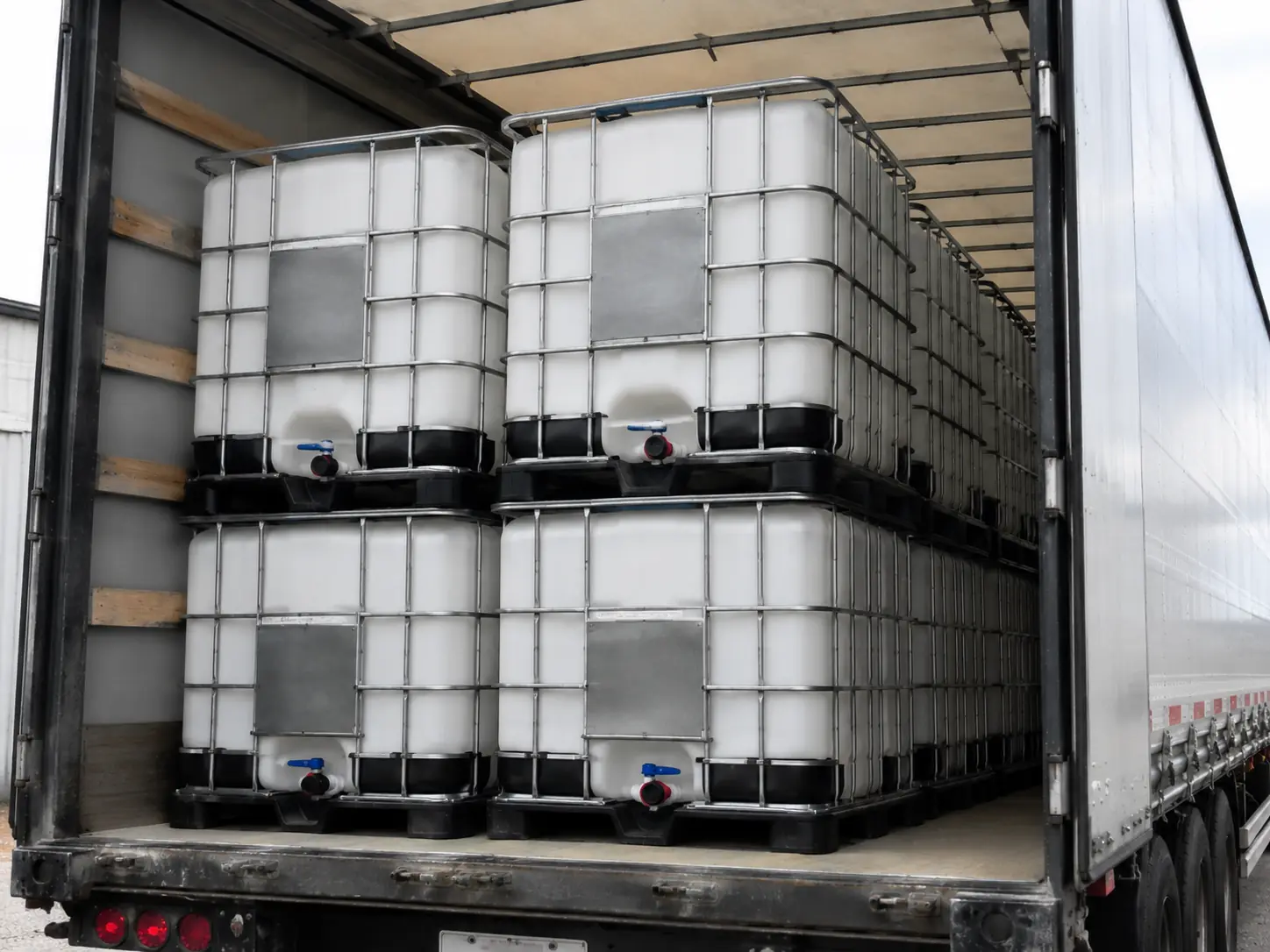
If you ship product in totes and never see them again, you buy packaging on every single shipment. Run a loop instead and one container serves twenty or thirty cycles. The arithmetic is obvious. The first year is not, so here is what it actually looks like.
Months 1–2: tagging and the uncomfortable baseline
Every container gets a durable serialised tag registered against your account. Straightforward work.
The uncomfortable part is the baseline count. Almost every operator we onboard discovers they own materially fewer containers than they think — typically 15–25% fewer. They have been buying replacements for years without anyone connecting that to containers not coming back.
Months 3–5: the dwell-time report nobody expected
Once units are tagged you can see where they sit and for how long, and this is where the first real money appears. Loss is rarely theft. It is dwell — a customer who keeps a container in a corner for eight months because nobody ever asked for it back.
The first dwell report is usually the first time anyone has seen the fleet's actual distribution. There is nearly always one customer holding a disproportionate share, and they are nearly always unaware of it.
Months 4–7: the awkward conversations
Asking customers to return packaging changes the relationship slightly and some of them do not like it. The ones that push back usually do so because returning containers is genuinely inconvenient for them, not because they want to keep them.
What works: consolidating retrieval into scheduled geographic runs so the customer only has to have containers ready on a known day, rather than fielding ad-hoc collection requests. What does not work: deposit schemes, in our experience. They create billing disputes out of proportion to the containers recovered.
The number to watch
Recovery rate, measured annually, not monthly. Monthly figures swing wildly with shipment timing and tell you nothing. A mature loop runs at 85–92% annually. Below 80%, something structural is wrong — usually a customer segment where retrieval is not economic and which should be served with one-way packaging instead.
Months 8–12: it starts paying
By the end of the first year the containers bought at the start have typically done three to five cycles. Packaging cost per shipment falls by roughly 60–70% against buying one-way, and the fleet is now a depreciating asset on the balance sheet rather than a consumable expense.
The sustainability reporting arrives at the same time and is a genuine side benefit. A recovered and reused container avoids about 125 kg CO₂e against a new one, and a fleet of 300 units cycling four times a year is a substantial line in a Scope 3 submission — with real serial-level data behind it rather than an estimate.
What we would tell you before you start
- Minimum viable fleet is about sixty units. Below that, retrieval never consolidates well enough to be economical.
- Accept that some customers will not participate. Serve them one-way and stop trying.
- Budget for 8–12% annual attrition even in a well-run loop. Containers get damaged, sites close, things vanish.
- The dwell report is the product. The retrieval is just logistics.
Priya Raghunathan is the compliance & documentation at IBC Tote Recycling NY in Astoria, Queens. We publish the figures we work from — if you think one of them is wrong, tell us.