Sizes & specs · High volume
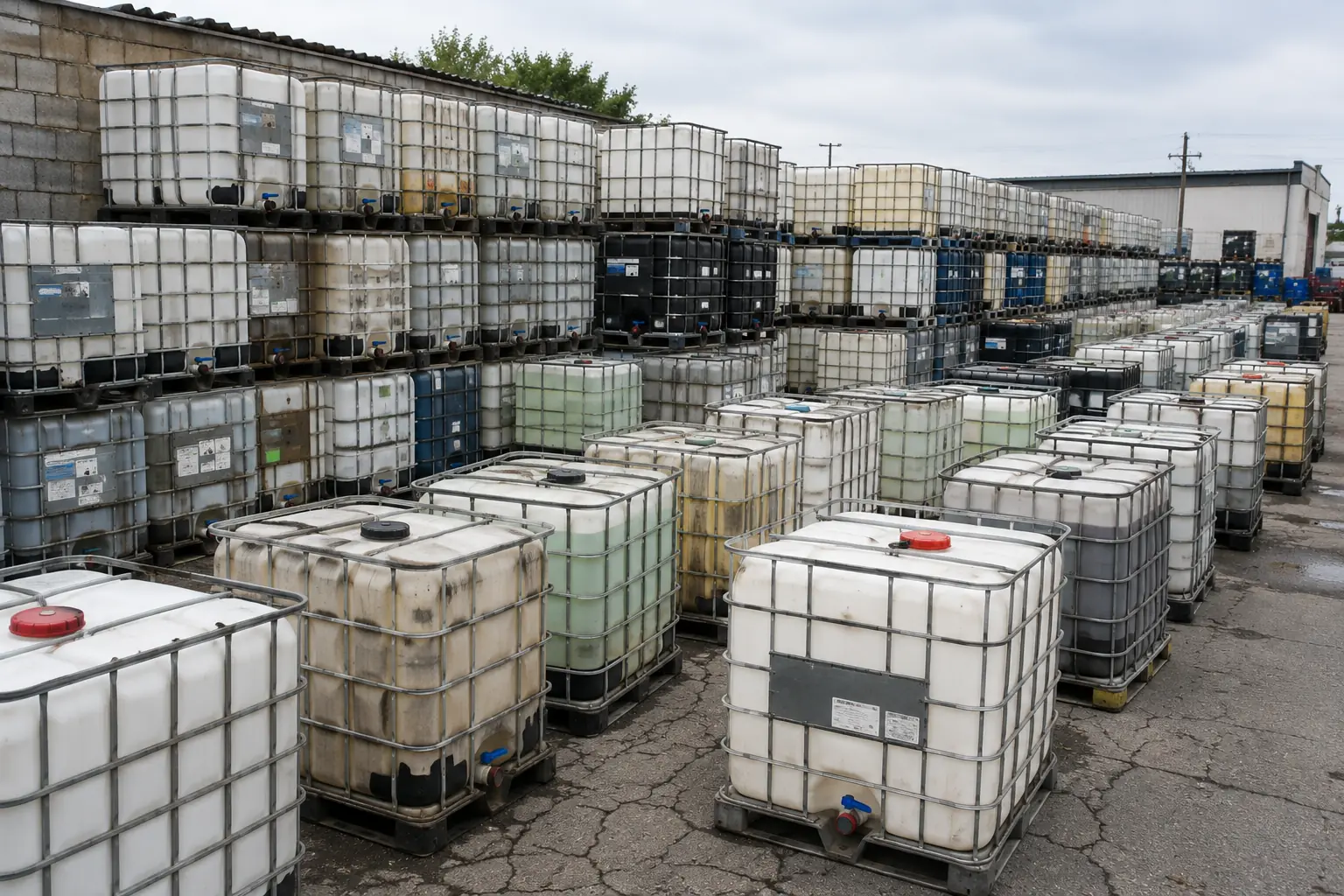
330 Gallon IBC Tote
Price up 330s
Replies within one business day · Fields marked * are required
The free-capacity argument
This is the whole case for the 330 and it is a strong one. Freight is priced by pallet position, not by volume. Warehouse space is rented by the square foot, not the cubic foot. A 330 occupies exactly the same position and exactly the same square footage as a 275 while holding twenty percent more product.
Run the numbers on a trailer: forty 275s carry 11,000 gallons; forty 330s carry 13,200. Same truck, same driver, same fuel, same emissions — 2,200 more gallons delivered. Over a year of regular shipments that is a meaningful reduction in both cost and carbon per gallon moved, and it is available for the price of measuring a doorway.
And the three reasons people can't take it
- Racking height. A 53-inch container plus beam wants about 58 inches of clear bay. A great deal of existing racking is set for the 275 at 54 inches and reconfiguring it costs more than the capacity is worth.
- Doorways and lifts. Standard commercial doors are fine; older freight lifts and basement access in Manhattan and Brooklyn frequently are not. This is the one that catches people out.
- Product density. A full 330 of water is already 2,902 lb against a typical 3,000 lb marking. Anything heavier than water and you cannot fill it — at which point you are shipping air in a taller box and should have bought the 275.
Rule of thumb
If your product is at or below the specific gravity of water, and you have measured the clear height at every point between the truck and the final position, take the 330. Otherwise take the 275 and stop thinking about it.
Availability
Thinner than the 275 but consistently available. Because fewer operations can accommodate the height, used 330s often sit in yards longer, which occasionally makes them cheaper per gallon than a 275 — worth asking about if your site can take them.
| 275 gallon | 330 gallon | Difference | |
|---|---|---|---|
| Capacity | 1,041 L | 1,249 L | +208 L (+20%) |
| Footprint | 48 × 40 in | 48 × 40 in | Identical |
| Height | 46 in | 53 in | +7 in |
| Tare | 130 lb | 148 lb | +18 lb |
| Typical max gross | 2,650 lb | 3,000 lb | +350 lb |
| Full of water | 2,425 lb | 2,902 lb | +477 lb |
| Per 53′ trailer | 40 | 40 | Identical |
| Gallons per trailer | 11,000 | 13,200 | +2,200 |
What is the difference between a 275 and a 330 gallon tote?
Height, and nothing else. Both sit on a 48 × 40 inch footprint. The 330 is about seven inches taller at 53 inches, weighs roughly 18 lb more empty, and holds 55 more gallons. Floor space, rack position and truck count are identical.
What are the dimensions of a 330 gallon IBC tote?
48 inches long by 40 inches wide by 53 inches high — 1219 × 1016 × 1346 mm. Empty weight is about 148 lb and the typical maximum gross mass marking is 3,000 lb.
How much does a full 330 gallon tote weigh?
With water, about 2,902 lb including the tare. That is already close to a typical 3,000 lb marking, which is why 330s are best suited to products at or below the density of water.
Do 330 gallon totes fit standard racking?
The footprint does. The height often does not. A 53-inch container plus a 5-inch beam needs about 58 inches of clear bay, and plenty of racking is set at 54. Measure before you order a trailer load.
Still weighing it up? The full size guide covers all eight capacities, and the buying guide walks through the whole decision in ten minutes.
Measure first, then order.
Tell us your clear height at the tightest point and we'll tell you whether the 330 fits. It's a two-minute conversation that saves an aborted delivery.