Services · Washing & Cleaning
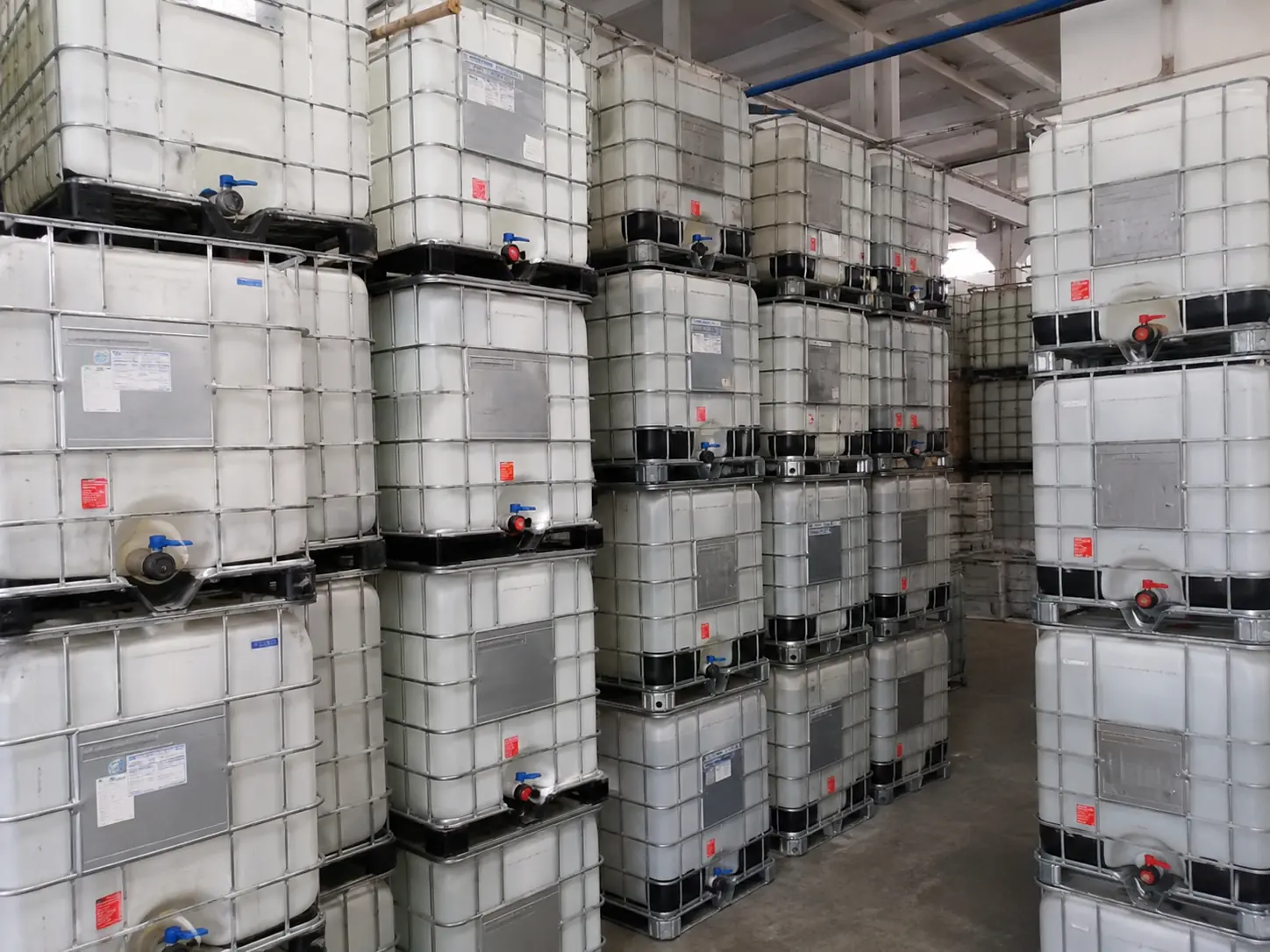
IBC Tote Washing & Cleaning
Start this service
Replies within one business day · Fields marked * are required
How it runs
4 steps, start to finish.
Send us your own fleet for a professional clean and get it back tested, dry and sealed.
- 01
Declare the prior contents
Send the SDS. It decides the chemistry, the bay and the price — and guessing is how people ruin a wash line.
- 02
Pre-rinse and drain
Heels are captured and characterised, never flushed to drain.
- 03
Wash cycle
Rotating spray head, hot water, correct chemistry, timed cycle. Not a hose and a hope.
- 04
Verify, dry, seal
Final rinse tested, hot-air dried, valve and lid sealed with a tamper band so it arrives as clean as it left.
Why the SDS matters more than the photo
The prior contents decide the chemistry, the bay and the price. Caustic for resins and dried polymers. Detergent and hot water for oils and food residue. Solvent flush for a narrow set of coatings. Guessing is how a wash line gets contaminated and how somebody's next load gets ruined, so we ask for the safety data sheet before we quote, not after.
The food line is genuinely separate
Not a scheduled slot on the same equipment — a different bay, different spray heads, different chemistry, no solvent work ever. Cross-contamination in a wash line is invisible and untraceable, which is exactly why the only defensible control is physical separation.
Why a hose through the lid doesn't work
Most self-cleaning attempts fail the same way: water goes in through the 6-inch cap, hits the bottom, and the top third of the bottle never gets touched. A rotating spray head reaches the full internal surface at pressure. If you are cleaning your own, our guide covers how to get close with equipment you can hire.
Dry and sealed
Standing water in a warm sealed container grows biofilm faster than most of what you were storing. Units are hot-air dried, sealed, and tamper-banded so they arrive as clean as they left.
Where this service runs
Seventy-five miles out of Astoria.
Lead times shorten the closer you are. Inside the five boroughs this is usually a same-week job; the outer counties consolidate into full loads.
0–25 minutes
Astoria & Queens
Same day or next day
25–45 minutes
Brooklyn
Same week, usually 48 hours
20–40 minutes
Manhattan
Same week, scheduled off-peak
20–35 minutes
The Bronx
Same week
45–70 minutes
Staten Island
Weekly scheduled run
45–110 minutes
Long Island
2–4 days
35–70 minutes
Westchester
2–4 days
35–75 minutes
Northern New Jersey
2–4 days
Frequently asked questions
Washing & Cleaning, answered.
The five things people ask us most before starting this service.
Why do you ask for the SDS before quoting?
Because the prior contents decide the chemistry, the bay and the price. Guessing is how a wash line gets contaminated and how somebody's next load gets ruined.
Is the food line genuinely separate?
Yes — a different bay, different spray heads, different chemistry and no solvent work ever. Cross-contamination in a wash line is invisible, so physical separation is the only defensible control.
Can I just clean a tote myself with a hose?
Rarely well. Water through the 6-inch cap hits the bottom and the top third of the bottle never gets touched. A rotating spray head reaches the full internal surface at pressure.
How are totes dried and sealed afterwards?
Hot-air dried, sealed and tamper-banded. Standing water in a warm sealed container grows biofilm faster than most of what you were storing in it.
What cleaning chemistry do you use?
Caustic for resins and dried polymers, detergent and hot water for oils and food residue, and a solvent flush for a narrow set of coatings.
Ready to start washing & cleaning?
Use the floating button on any page, or fill in the form at the top of this one. Either way you get a written answer within one business day.